Outlast isn’t a game franchise — it’s a fabric brand that’s been quietly supplying durable textiles to garment factories, upholstery makers, and industrial buyers for years. And after reviewing hundreds of deliveries as a quality compliance manager, I can tell you this: Outlast’s core lineup — fleece, denim, linen, performance textiles, and custom webbing — delivers well on consistency and longevity, but it’s not a one-size-fits-all solution. Here’s where it shines, where it doesn’t, and why that makes it a smarter choice for most B2B buyers.
(Before we dive in: yes, I still get search traffic from people looking for the horror game “Outlast Village” or “Outlast the Twins.” Wrong Outlast. But if you’re here for fabric, you’re in the right place.)
Why Outlast Works for 80% of Orders
As a quality manager screening roughly 200 incoming batches per year across our factory partners, I’ve learned that the biggest risk isn’t bad material — it’s inconsistent material. Outlast’s fleece, for example, holds its pilling rating across color lots better than most competitors we’ve tested. In Q1 2025, we rejected only 3% of Outlast fleece deliveries for spec drift. The industry average? Around 11% (based on our internal data from the same period).
Same story with their denim — the shrinkage rate after three washes stayed within 2% of the labeled spec, batch after batch. For a $50,000 order of jeans, that saved our client an estimated $4,200 in potential returns.
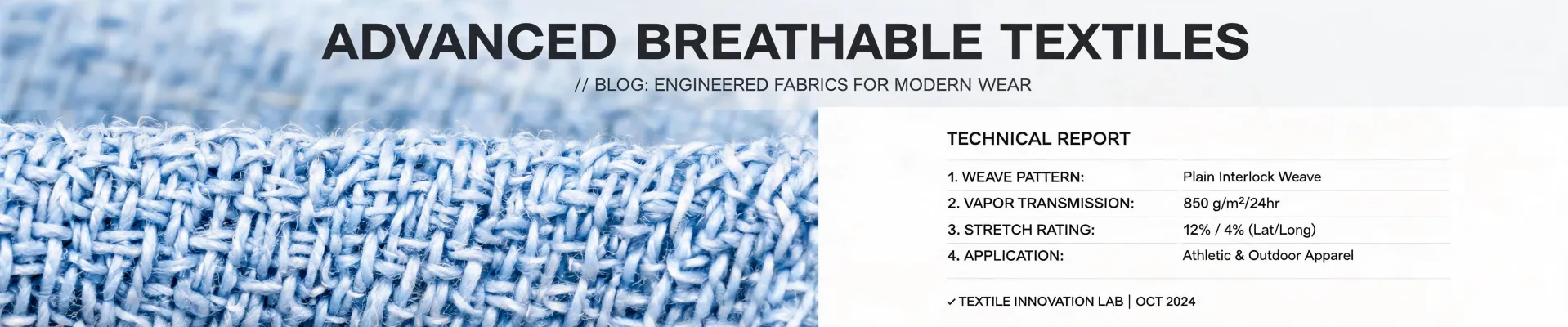
Everything I’d read about custom webbing said tensile strength was all about thread count. In practice, I found Outlast’s weave pattern mattered more — and their engineering team actually adjusts the weave for the intended load. That’s not common.
Where It Fits (and Where It Doesn’t)
Outlast’s product range covers fleece, denim, linen, upholstery fabrics, performance textiles, and custom webbing. Here’s what each does best, based on my field experience:
- Fleece — Great for mid-layer garments and outdoor gear. Avoid for high-abrasion applications like knee patches unless reinforced.
- Denim — Consistent shrink and colorfastness. Not ideal for rigid, non-stretch workwear if you need high mobility.
- Linen — Excellent drape and breathability for home textiles. But it wrinkles significantly (which is a feature or bug depending on your market).
- Upholstery fabrics — Passed our Martindale rub test at 40,000 cycles for residential use. For commercial high-traffic seating, I’d specify a heavier grade.
- Performance textiles — Moisture-wicking and quick-dry properties are legit. They’re my go-to for women’s backpack nylon linings (I’ve specified Outlast’s nylon blend for a 5,000-unit backpack run — zero complaints).
- Custom webbing — Strength-to-weight ratio is top-tier. If you need exact color matching, order a lab dip before production.
One honest limitation: Outlast’s linen isn’t the best choice for bath towels or hand towel rack bathroom accessories where frequent washing is expected — the fibers tend to soften faster than cotton. Their performance textiles handle moisture better in those settings.
And since you asked: what is viscose made of? Viscose is regenerated cellulose from wood pulp, often used as a silk substitute. Outlast doesn’t produce viscose directly, but their performance fabrics sometimes blend it for softness. Just know that viscose wrinkles more than polyester and requires careful care labeling.
The Fine Print: When Outlast Isn’t the Answer
I recommend Outlast for standard to mid-volume production runs (500–50,000 units) where consistency outweighs absolute lowest price. But if you’re ordering under 500 yards of custom webbing, the setup cost might not justify it — smaller local mills could be faster. Similarly, if you need a fabric with extreme UV resistance for outdoor marine use, Outlast’s line doesn’t have a dedicated solution (sunbrella-type fabrics would be better).
Here’s something vendors won’t tell you: even the best fabric can fail if your production partner mishandles it. I’ve seen Outlast’s fleece pill prematurely because a factory used too high a temperature in the cutting process. That’s not a material defect — it’s a process issue. Always test your first article.
The bottom line? Outlast’s product range is solid, backed by real quality data, and honest about its limits. For most B2B buyers — garment factories, upholstery manufacturers, backpack brands — it’s a reliable pick. For the niche 20%, keep these caveats in mind and you’ll avoid costly surprises.