-
Let me tell you about the fabric order that almost made me lose a $50k contract.
- The new requirement: interlock fabric made in China? Or something else?
-
The decision: choosing the china-based supplier for our main line
- The reality check: when samples meet bulk orders
-
Final choice: how we moved forward
Let me tell you about the fabric order that almost made me lose a $50k contract.
Back in March 2024, I was an office administrator for a 500-person company—handling all the fabric sourcing for our apparel line. Roughly $150k annually across 8 vendors. Not a small gig. One mistake? That could cost me more than just money.
So here's what happened. We got a rush order for 10,000 units of custom fleece jackets. Our usual fleece fabric manufacturer was backlogged—couldn't deliver for 6 weeks. The client needed it in 4. I panicked. The clock was ticking.
The new requirement: interlock fabric made in China? Or something else?
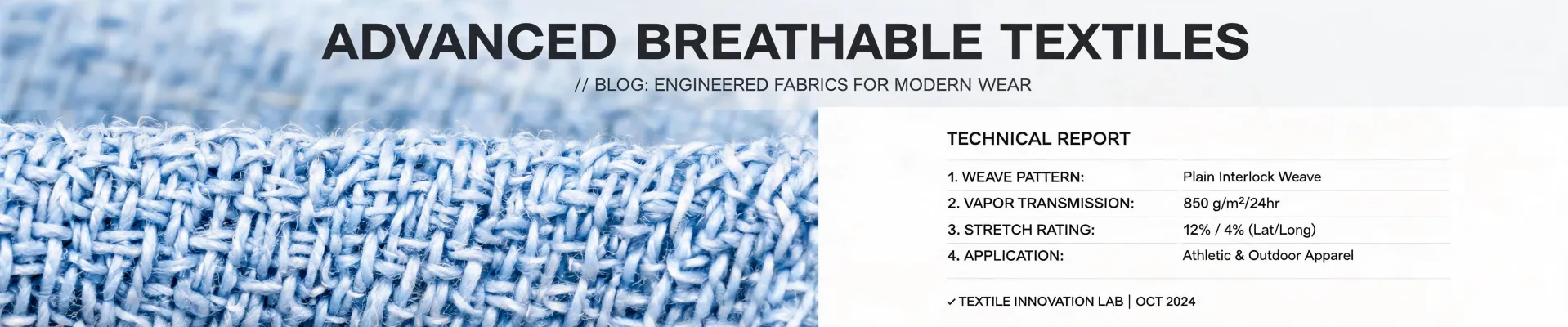
The specs called for a specific type of interlock fabric—soft, breathable, with a bit of stretch. We usually sourced from local mills, but the price difference was insane. I went back and forth between a local supplier and a Chinese one for two weeks. Local offered reliability; the Chinese supplier offered 35% savings. I chose reliability because the project was too important to risk—or so I thought.
But then I realized: the lead time was still the bottleneck. The local supplier quoted 5 weeks. The Chinese one said 3 weeks with rush shipping. I was torn. So I decided to test the Chinese route—just a sample order for 200 yards of bamboo lyocell fabric for a different project.
The test: bamboo lyocell fabric sample
I ordered a sample of bamboo lyocell fabric from a Chinese mill—just to see if their quality matched their claims. Honestly? The sample was pretty good. Soft, consistent weave, no defects. I was impressed. But I still had doubts. What if their shipping got delayed? What if customs held it up?
Hit 'confirm' on the bulk order for 5,000 yards of interlock fabric and immediately thought: did I make the right call? Didn't relax until the tracking number showed 'in transit.'
The decision: choosing the china-based supplier for our main line
So I went with the Chinese supplier for the interlock fabric. But I also needed other materials—mostly rayon nylon spandex fabric for a stretchy base layer and wholesale jersey fabric for the lining. The same supplier offered all of it. Basically, I consolidated my order to simplify logistics.
But here's the twist: the supplier couldn't provide proper invoicing at first. Just a handwritten receipt. Our finance department rejected the expense report. I ate $2,400 out of my department budget. That was a harsh lesson.
The reality check: when samples meet bulk orders
The bulk order arrived a week late—customs delay. Not the supplier's fault, but still stressful. And when I opened the boxes? The color was slightly off. Not enough to reject, but enough that the client noticed. I had to issue a discount to keep the contract. That ate into the savings.
Meanwhile, I also sourced some jacquard fabric for sale from a different Chinese mill—for a decorative trim. The jacquard fabric was gorgeous—wonderful pattern, good quality. But the lead time was 5 weeks, which delayed the whole project. So I had to split the order: expedite the interlock fabric from one supplier and wait for the jacquard from another.
Not ideal. But it worked.
The hidden costs nobody talks about
Setup fees, rush fees, customs brokerage, rejected expense reports—these add up. I calculated later that my 'savings' from the Chinese supplier were actually only about 15% after all costs. Still worth it? Maybe. But I should have factored in more buffer.
Based on my experience, here's what I'd consider next time:
- Shipping: Air freight costs 3-5x more than sea, but you get it in days vs weeks. For urgent orders, it's worth it.
- Customs: Budget $200-500 for brokerage fees per shipment. I didn't do this the first time.
- Quality check: Have a third-party inspector on site. It costs maybe $300 per visit, but saves you from accepting a bad batch.
I'm not saying avoid Chinese suppliers—I'm just saying: do your homework.
Final choice: how we moved forward
In the end, I stuck with the Chinese supplier for the interlock fabric—they offered consistent pricing after the initial hiccups. But I also kept the local mill for the fleece fabric, because their turnaround was still faster for small orders.
In 2025, I'm planning to test a few more suppliers—maybe a different fleece fabric manufacturer in China that offers custom dye lots. The industry has changed so much since 2020. What was best practice then may not apply now. The fundamentals haven't changed, but the execution has transformed.
So glad I double-checked the quantities before approving the final order. Almost ordered 10x what we needed—which would have been a disaster. Dodged a bullet.
Take this with a grain of salt: market rates for interlock fabric seem to be trending upward. Prices as of January 2025: roughly $4.50-5.50 per yard for good quality Chinese interlock, plus shipping. Verify current rates—I could be off by a bit.
Lesson learned: Sourcing fabric across borders isn't just about price. It's about relationships, invoicing, shipping, and trust. Don't skip the due diligence—or you'll learn it the hard way, like I did.